Three jurisdictions spent 2026 arguing about the same two questions: can a ticket be resold for more than it cost, and can the first seller change the price while fans are queuing. The answers are diverging. The UK has the most detailed plan for a resale cap and no bill. The European Union has no proposal on the table at all. In the United States the federal bills are stalled in the Senate while a state and the capital have legislated on their own.
United Kingdom: the policy is settled, the law is not
In its response to the resale consultation, updated on 19 November 2025, the government said the cap "should not allow for any mark-up" over the original cost of a ticket, including unavoidable fees and delivery charges. Resale platforms' service fees would be capped separately, at a level still to be set. The Competition and Markets Authority would enforce the rules, with penalties of up to 10% of global turnover. It adds: "The government will legislate to implement the above reforms when parliamentary time allows."
Parliamentary time was the issue on 13 May 2026. The background briefing to the King's Speech lists a Draft Ticket Tout Ban Bill that "will be published in draft for pre-legislative scrutiny". The same briefing gives the government's own estimate of what is at stake: the average resale price falling by £37, fans saving around £112 million a year, and 900,000 more tickets a year bought directly from primary sellers.
The live sector wanted a full bill. Jon Collins, chief executive of the trade body LIVE, said in a statement carried by Pollstar on 14 May that "a draft bill means unnecessary delay that will see fans being fleeced of at least £500 million".
The government's defence came in the House of Commons on 18 June. "We are working at pace to prepare the legislation and intend to publish a draft Bill in this parliamentary Session for pre-legislative scrutiny," Ian Murray, the Minister for Creative Industries, Media and Arts, told MPs, according to Hansard. He gave the reason for the slower route: "If there are any loopholes or edges to the legislation, they will be exploited by ticket touts".
The most recent sign of movement is second-hand. TicketNews reported in late September, citing The Guardian, that the Department for Culture, Media and Sport has assembled a dedicated bill team and that officials are working on how to stop sellers and marketplaces moving offshore to avoid the cap. Resale platforms argue, in the same report, that a cap pushes sales into channels with weaker buyer protection. As of 13 October we have found no published draft.
Dynamic pricing: disclosure, not prohibition
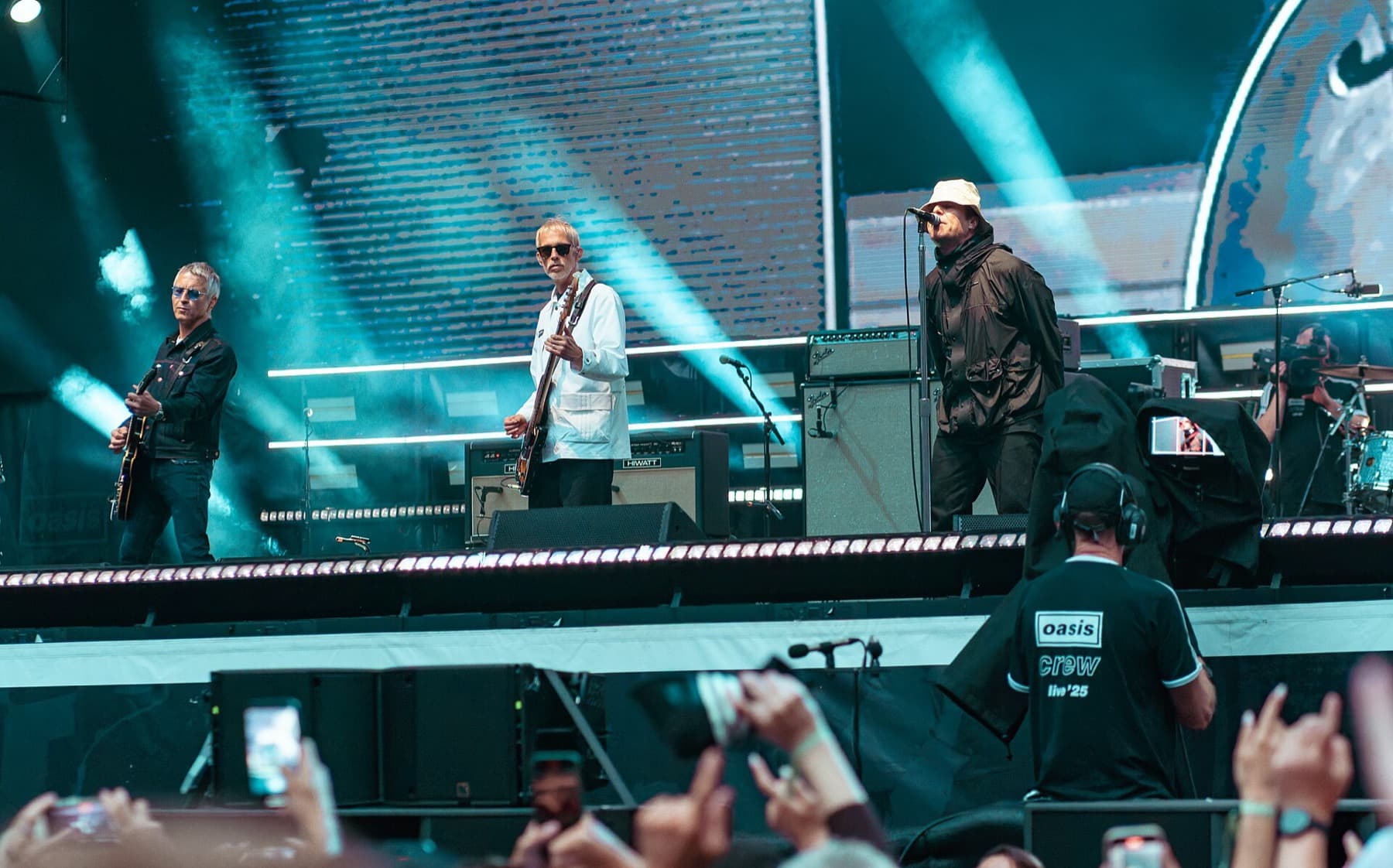
On the second question the UK has already decided, and the answer is no new law. The government's response on pricing practices, published alongside the resale plan, states that it "does not intend to bring forward new legislative proposals on pricing practices in the live events sector". It points instead to the undertakings the CMA secured from Ticketmaster in September 2025 after the Oasis sale, which include telling fans 24 hours in advance if a tiered pricing system is being used.
So the British position splits the market in two: resale above cost is to be banned, while variable primary prices stay legal if disclosed.
European Union: transparency at most
Brussels is heading towards the second half of that position without the first. The vehicle is the Digital Fairness Act, which has not yet been proposed. Speaking on 23 June, Justice and Consumer Commissioner Michael McGrath said the act would not ban dynamic pricing, Rapporteur reported. "I do not think it would be reasonable or proportionate to seek to end it," he said, adding: "We have yet to reach any political decisions on this, but I do believe that at a minimum we need more transparency." The same report says the Commission is expected to present the act by the end of the year.
The remark came on the day a campaign for the opposite outcome went public. Euroconsumers, Football Supporters Europe and the live music association Live DMA called for "a targeted ban on dynamic pricing in live events in the Digital Fairness Act", according to Pollstar.
United States: Congress waits, cities move
The federal picture is one of bills that pass one chamber and stop. The TICKET Act, which mandates all-in pricing and bans speculative ticketing, passed the House 409 to 15 in April 2025 and has been on the Senate calendar since 16 September 2025 without a vote, Music Business Worldwide reported on 17 September 2026. It does not cap resale prices.
Price caps are arriving from below. The Council of the District of Columbia passed the RESALE Act unanimously on 14 July, capping resale at 10% above face value, banning speculative sales and prohibiting pricing based on a buyer's personal data, according to Music Business Worldwide. It is due to take effect on 1 January 2027 after a 30-day congressional review. The same report notes that Vermont capped resale at 110% of face value in May.
What the map means for festivals
On current plans, a festival that sells to buyers in London, Berlin and Washington would face a zero mark-up rule in the first, a transparency rule in the second and a 10% rule in the third, each enforced by a different authority. Resale policy becomes a clause in the ticketing contract, market by market.
What to watch
- The UK draft bill. The minister's commitment, on the record since 18 June, is publication "in this parliamentary Session".
- By the end of 2026: the European Commission's Digital Fairness Act proposal, on the timetable reported by Rapporteur.
- 1 January 2027: the date the District of Columbia's RESALE Act is due to take effect, subject to congressional review.
Sources: UK government response to the consultation on the resale of live events tickets, 19 November 2025; UK government response to the call for evidence on pricing practices, 19 November 2025; King's Speech 2026 background briefing notes, 13 May 2026; Hansard, House of Commons, 18 June 2026; Pollstar, 14 May and 23 June 2026; TicketNews, September 2026; Rapporteur, 23 June 2026; Music Business Worldwide, 15 July and 17 September 2026.