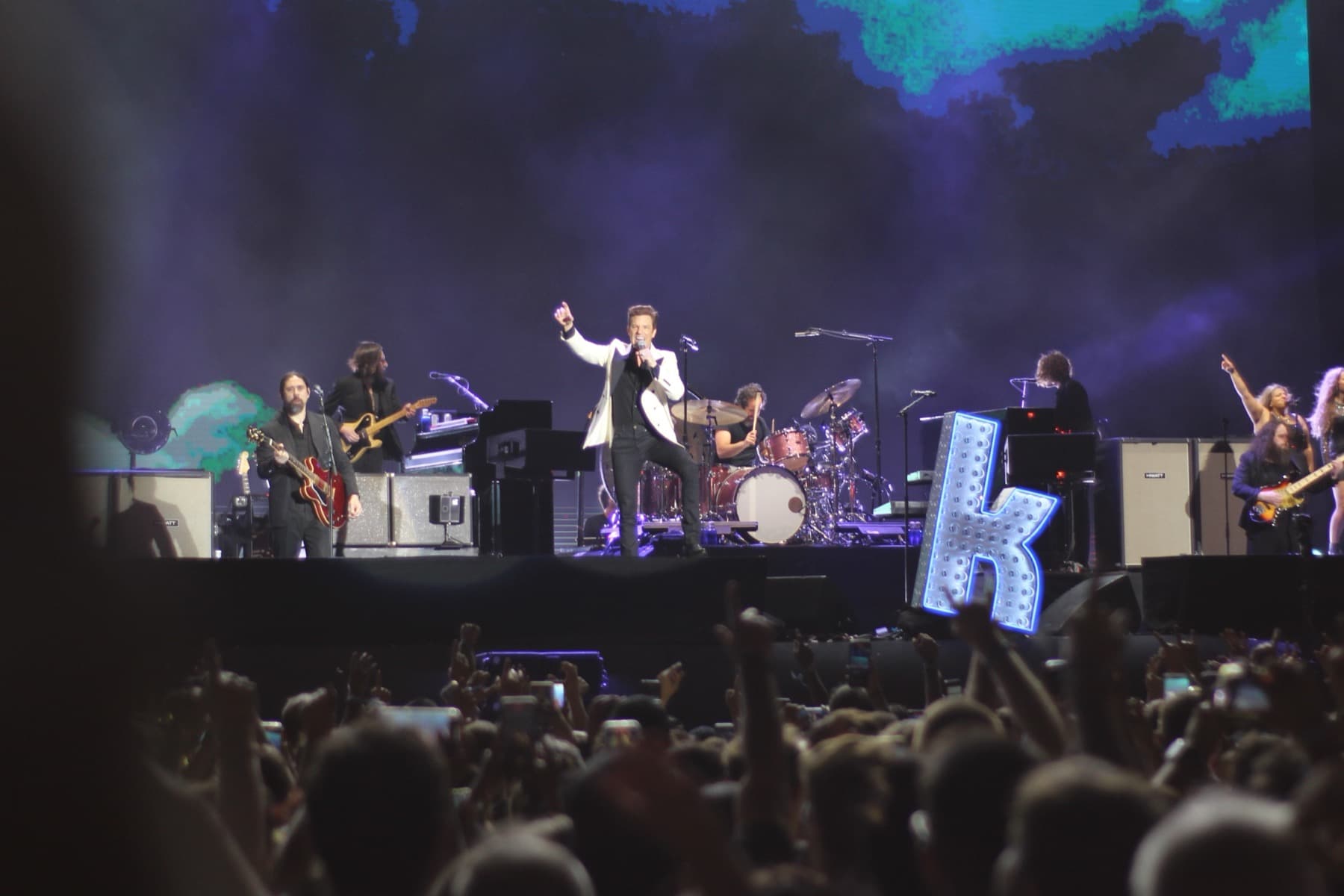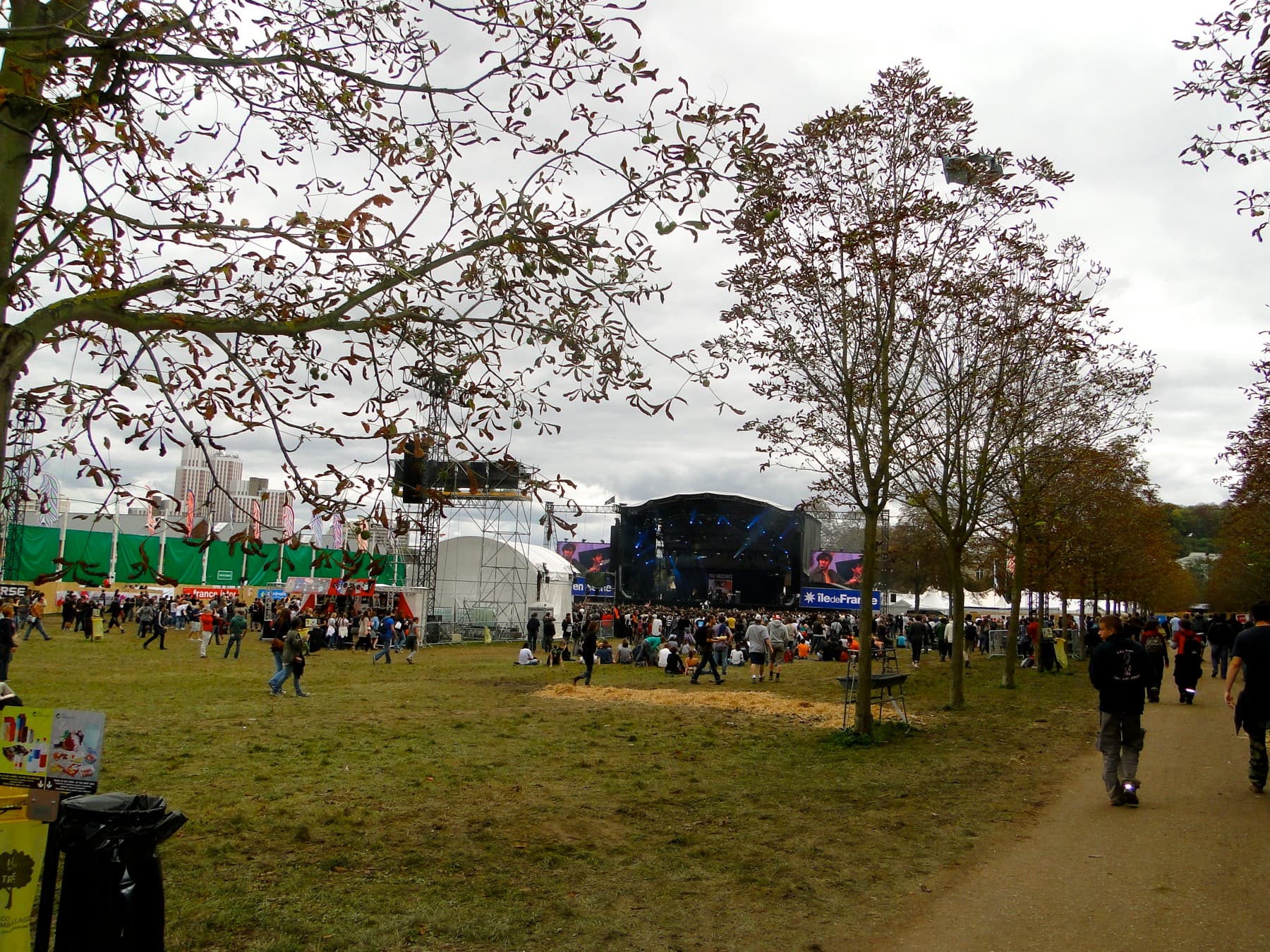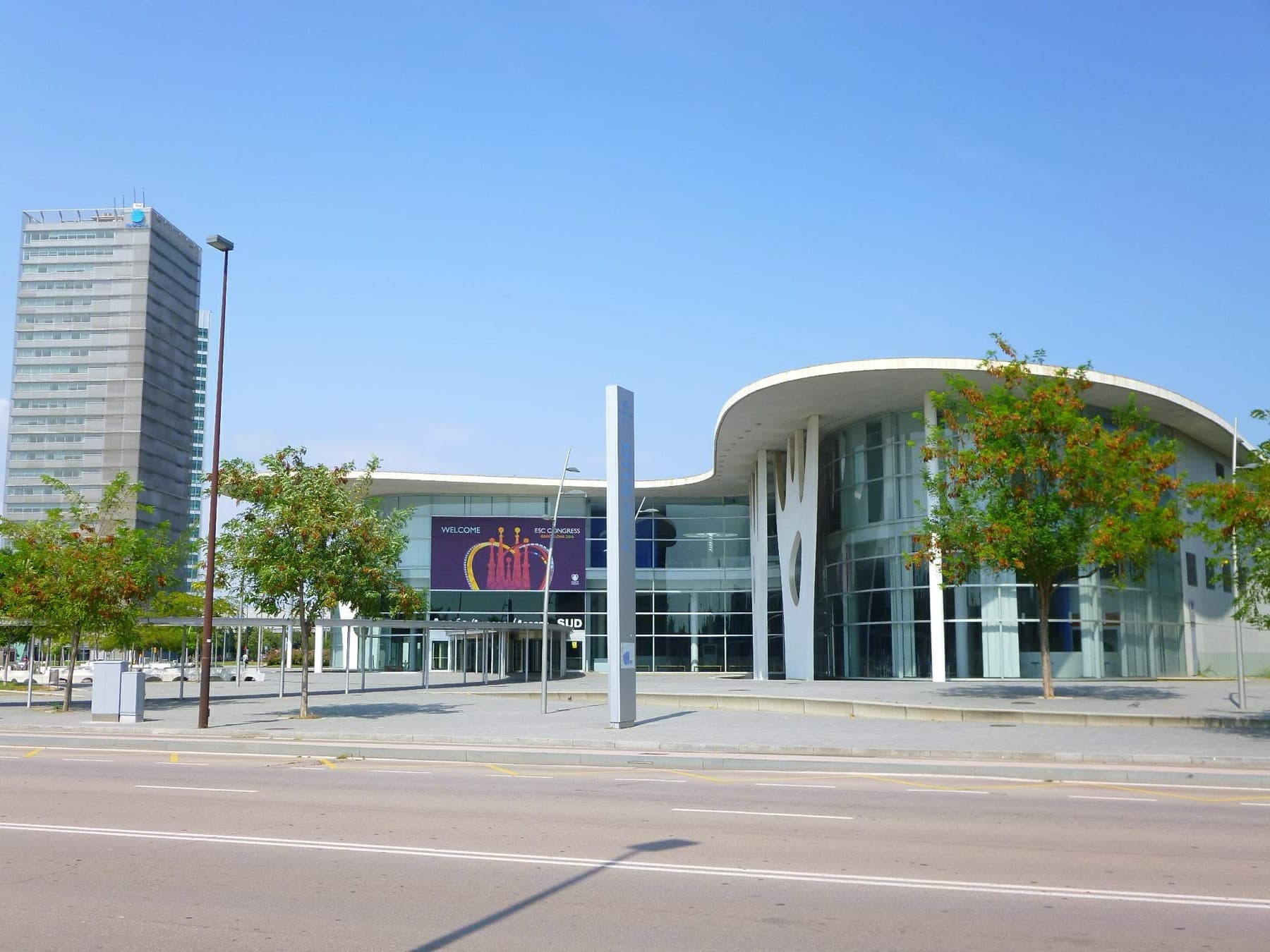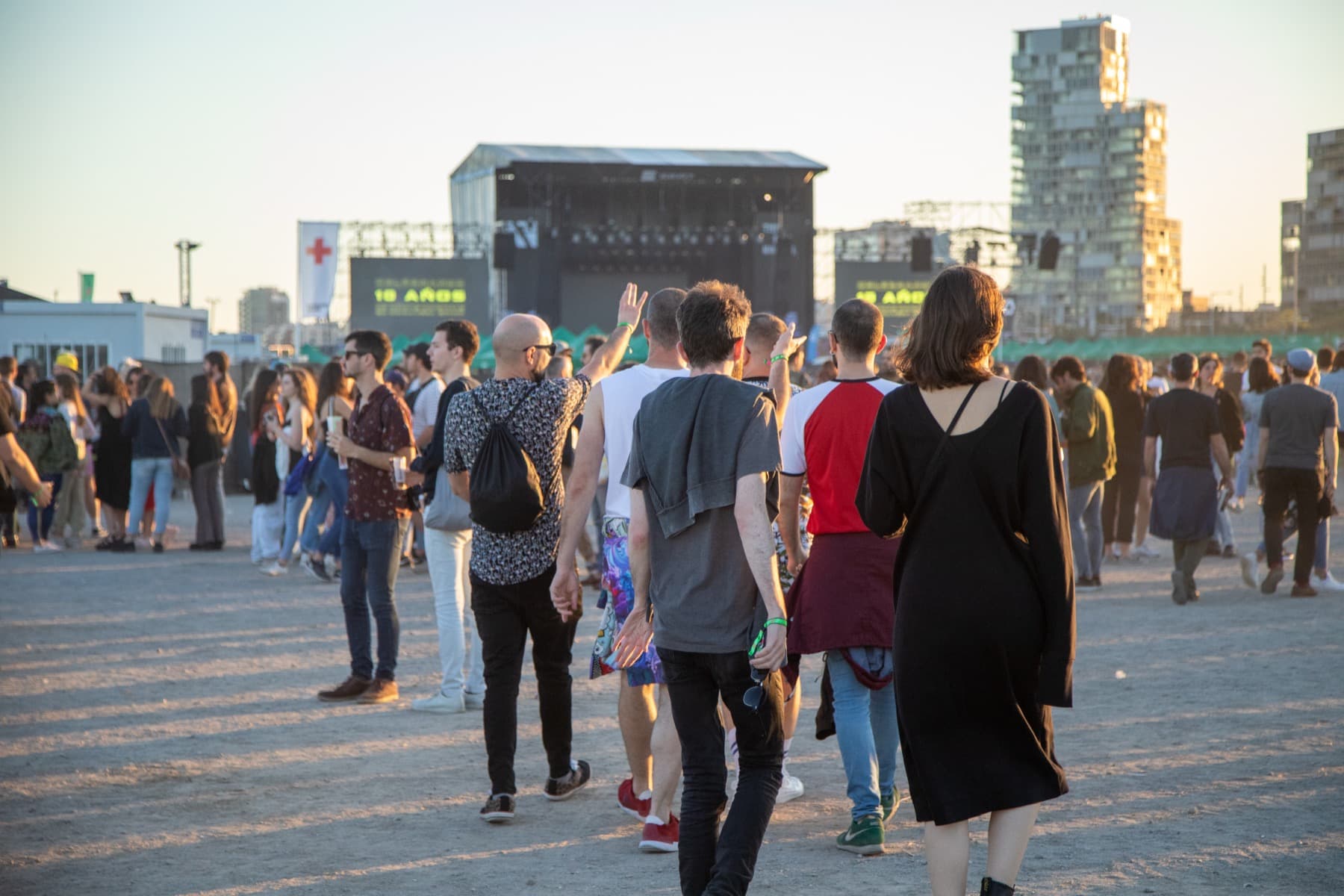
Four months on, the 2026 edition of Primavera Sound Barcelona is remembered for the night that did not happen. On Thursday 4 June, the first of the three main days at Parc del Fòrum, rain and wind took out the sets of Massive Attack, Doja Cat and Bad Gyal. By Sunday the organisers were reporting 287,000 attendees for the week, a figure carried by IQ Magazine and put by Ara at 6,000 below the record 293,000 of 2025.
A festival that loses its opening headliners and gives up two per cent of its count is worth a second look. The explanation is less about luck than about how a sold-out event is built.
What the wind took
The festival's own account, reproduced in full by The Festivals, runs as follows. At around 9:00 pm, under a yellow weather warning from Meteocat and AEMET, gusts of up to 80 km per hour forced the cancellation of Alex G on the Revolut stage and the temporary evacuation of that area. Mac DeMarco's crew could not set up in time on the Occident stage. Smaller stages carried on. Massive Attack were rescheduled from 9:55 pm to 12:30 am, then called off, along with Doja Cat and Bad Gyal, because the two largest and most exposed stages could not be made safe.
"The established safety protocol dictates that it is not safe to hold concerts in such strong winds," the statement said. It added that there were no serious incidents.
Not everyone on the bill was satisfied. Oklou, who did play, used an Instagram story to ask for "better working conditions" for crews, as reported by Mixmag. Friday and Saturday ran as planned, with The Cure, Gorillaz, The xx and My Bloody Valentine, and a surprise Saturday set by Olivia Rodrigo joined by Robert Smith.
Why the numbers barely moved
Three structural facts cushioned the blow.
First, the edition was sold before anyone looked at a forecast. Access All Areas reported on 11 February that both full passes and day tickets had gone, four months ahead and for the second year running.
Second, the refund applied only to day tickets. Co-director Alfonso Lanza told the closing press conference, according to Ara, that Thursday day tickets were between 20% and 25% of that day's audience of roughly 70,000. By Ara's arithmetic that makes between 14,000 and about 17,400 people eligible to claim. The rest of Thursday's crowd, three quarters or more on those figures, still had two nights to come back for.
Third, the headline figure is a week, not a weekend. Ara's breakdown of the organisers' numbers includes around 30,000 people at the free Wednesday opening, another 30,000 expected at the Sunday electronic day and about 20,000 at the Primavera a la Ciutat club shows. In 2025, the paper notes, 213,000 of the 293,000 came on the three main days. A count assembled that way absorbs one bad evening easily.
"We overcame a very demanding difficulty," Lanza said, in the words quoted by Ara. On communication during the storm he was specific: "The key was to give accurate information, not to overcommunicate things that could change at any moment."
The lesson for the circuit is uncomfortable for festivals that cannot sell out in February. Weather risk in June is the same for everyone on the Mediterranean. What differs is who carries it. An event that sells mostly passes, early, has already been paid for the night it loses and owes refunds on a quarter of the gate at most. An event that depends on walk-up day sales carries the whole loss.
An older, slightly more local crowd
Two smaller numbers from the same press conference deserve more attention than they got. Ara reports that the international share of the audience fell from 65% to 62%, and that the average age rose from 29 to 32.
Three years of age in a single edition is a large move. It fits a bill led by The Cure, Massive Attack, My Bloody Valentine and The xx alongside Doja Cat and Addison Rae. Whether it is a one-year effect of that booking or the start of a trend is not something one edition can answer. The 2027 line-up is the first test.
The deal behind the stage
The other news of the weekend was institutional. Lanza said the festival had renewed its agreement with Barcelona City Council and will stay at Parc del Fòrum and its marine platform until 2030, according to Ara. He also said the Primavera Pro conference will leave the CCCB and move to the Dhub in 2027.
A signed horizon to 2030 changes what a festival can promise agents and sponsors. It also ties the event to a seafront site whose two biggest stages, by the festival's own description, are the most exposed to rain and wind.
What to watch
- 3 to 5 June 2027. Dates of the next edition at Parc del Fòrum, with a free opening day on 2 June and the closing electronic party on 6 June, as reported by Catalan News when the line-up was published on 5 October.
- Massive Attack and Bad Gyal are back on the bill. Both appear among the 2027 names listed by Catalan News. The Fader notes their 2026 sets were the ones cancelled.
- The sell-out clock. General sale opened on 9 October, per The Fader, and the festival's site lists the full festival ticket at €350. The 2026 edition was gone by 11 February. Whether 2027 gets there sooner, at that price, is the number to check.
- The age and origin figures in June 2027. If the organisers publish them again, they will show whether 32 and 62% were a blip.
Sources: IQ Magazine on the organisers' attendance figure; Ara on the closing press conference, the breakdown, refunds and the agreement to 2030; Primavera Sound's statement on Thursday's programme as reproduced by The Festivals; Mixmag; Access All Areas on the February sell-out; Catalan News, The Fader and primaverasound.com on 2027.