A year ago the people who run Rock en Seine were explaining a soft edition. This autumn they have the opposite problem to explain, and it is a more interesting one. The festival that closes the French summer added a reported 25,000 people in twelve months, and it did so by leaning into the word in its own name.
From a soft 2025 to a near-full 2026
The baseline comes from IQ Magazine. After the 2025 edition, held from 20 to 24 August with Chappell Roan, Kid Cudi, Anyma, Justice, Queens of the Stone Age, Fontaines D.C. and Vampire Weekend, the trade title reported that ticket sales were a "little under" the previous year, at 150,000 festivalgoers across five days. In the same piece Arnaud Meersseman, who heads AEG Presents France, described a festival rethinking its booking strategy to contend with the explosion of headline tours.
The rethink was visible by spring. In April, IQ listed the five headliners for 26 to 30 August: Tyler, The Creator, Lorde, Nick Cave & The Bad Seeds, Deftones and The Cure, one per night. The Cure had been announced as early as September 2025, according to an earlier IQ report.
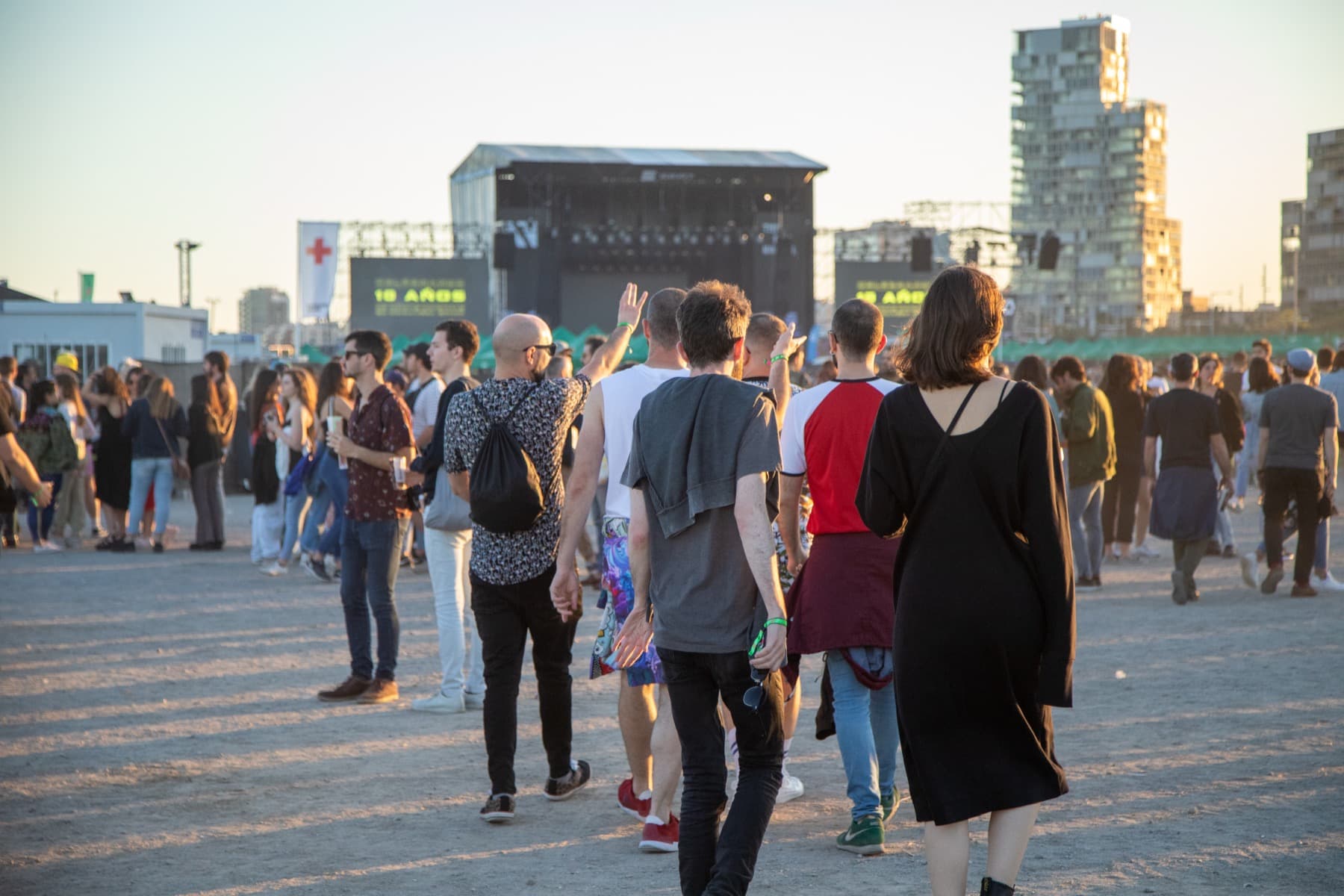
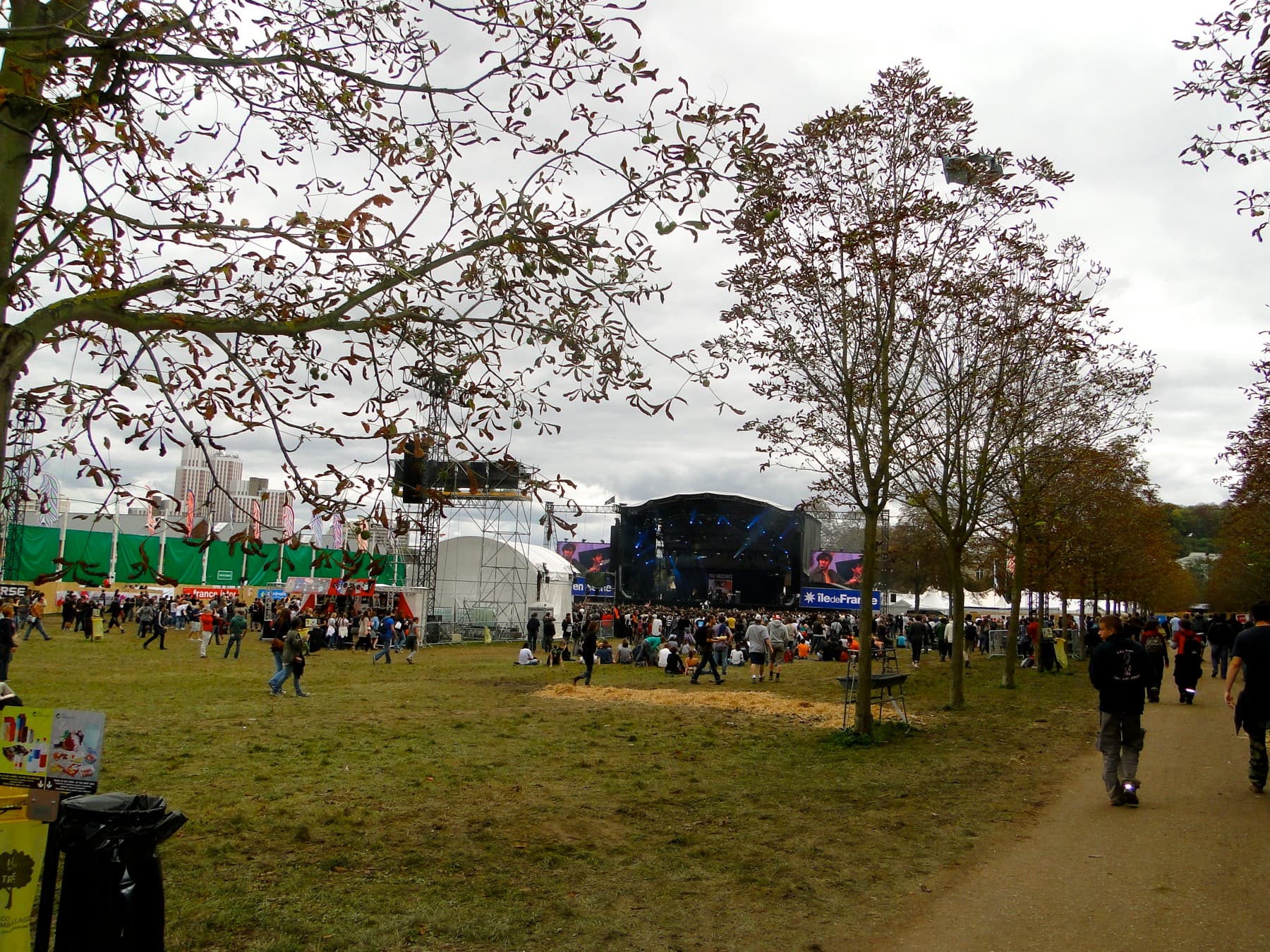
Before the gates opened, franceinfo described an event of around 80 shows on four stages, with more than 40,000 people expected each day and up to 180,000 in total.
The figure, and where it comes from
The number that circulated after the closing night is 175,000 over the five days. It appears in the wrap-up published by VL Média on 31 August, in La Rédac Pop, in Melodic Magazine and in New Noise, which sets it against the previous year as 25,000 more.
A caution is due. None of those reports names its source for the figure, and we did not find a balance statement on the festival's own website, which on 13 October still presents the 2026 edition. The consistency across outlets suggests an organiser communication, but it should be read as a reported figure and not an audited one. On that figure, the festival reached about 97 per cent of the ceiling franceinfo had cited, and grew by roughly a sixth on 2025.
The reports agree less on which days sold out. New Noise says Sunday, The Cure's night, had been sold out for a long time. Pozzo Live reports Friday and Sunday as full. La Face B puts Saturday at 38,000 and says it was not. Several accounts mention rain.
A bill organised by tribe
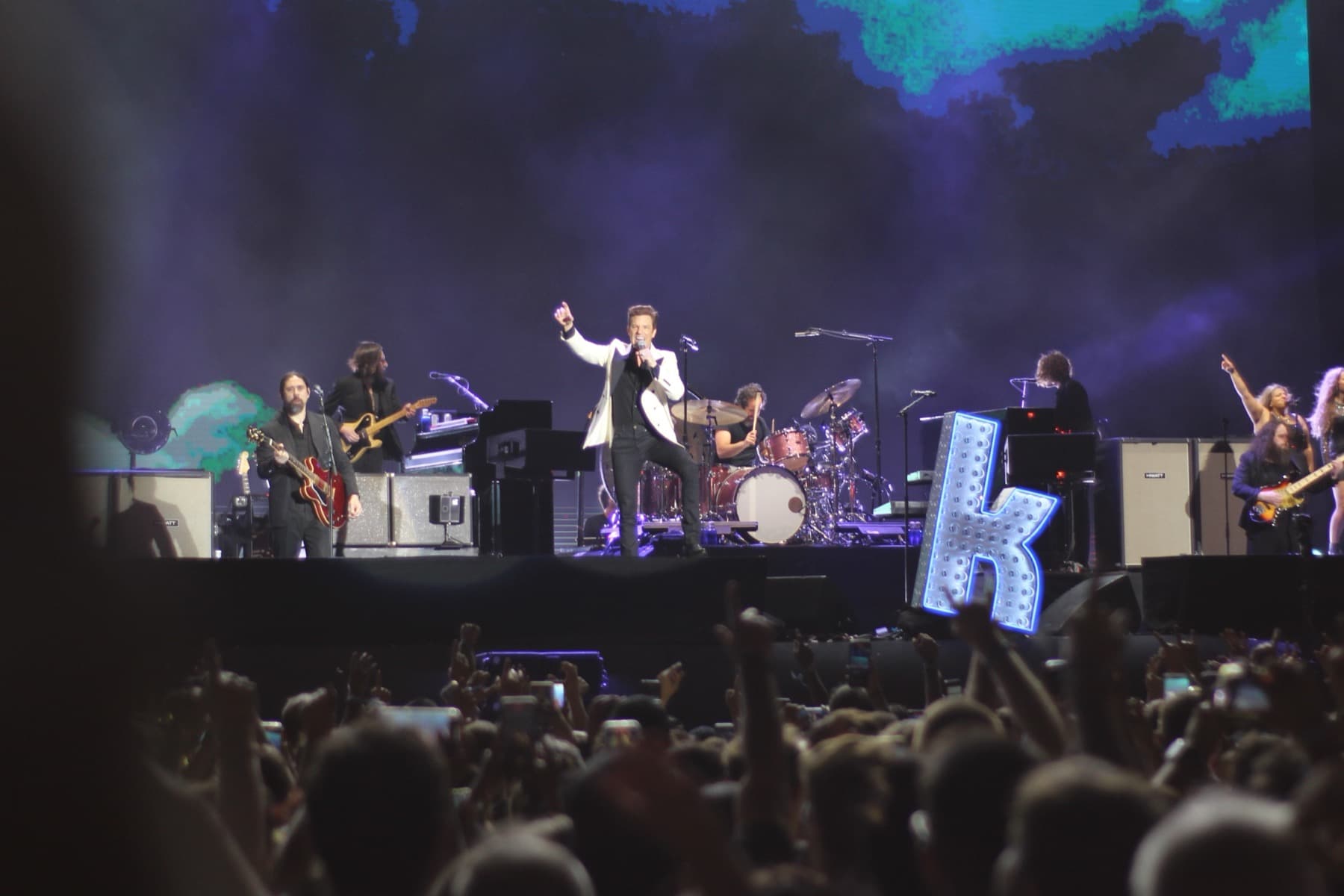
What changed between the two editions is the shape of the week. New Noise describes it precisely: the first two days stayed with the more electronic and urban direction of recent years, and the last three were built for indie rock, for metal and hardcore, and for new wave and post-punk in turn. Friday had Nick Cave and Franz Ferdinand. Saturday had Deftones and Turnstile. Sunday had The Cure, with Slowdive and Interpol on the same day's bill.
That is a different idea from the mixed-genre day, in which every evening offers something to everyone so that a full pass makes sense. Rock en Seine sold five separate audiences five separate evenings. A day ticket for a night that belongs entirely to one scene is an easier decision than a day ticket for a compromise.
It also has costs, and the same reports name them. New Noise calls the placing of Turnstile on an intermediate stage a mistake: the band was treated as one of the day's two headliners, the stage was too narrow, and a good part of the crowd could not see. When a festival books for a tribe, the tribe all turns up at the same stage.
The same names, all summer
The second lesson is about who those headliners were. The Cure played the Friday of Primavera Sound in Barcelona in June, as Ara reported, and closed Rock en Seine in August. Nick Cave & The Bad Seeds closed Mad Cool in Madrid in July, according to that festival's own account, and played Saint-Cloud seven weeks later.
Meersseman's point in 2025 was that festivals now have to contend with an explosion of headline tours. The 2026 answer, in Paris and elsewhere, was to book acts with deep catalogues and audiences that span generations, and to give them a whole night. It worked at the gate. It is also a finite resource: there are only so many bands of that standing, and two of them turned up on more than one of this summer's biggest bills.
Matthieu Ducos, the festival's director, told franceinfo before the edition that Rock en Seine benefits from a good reputation with bands and agencies and from the pull of Paris and the size of the French market. That is an asset when the pool of suitable headliners is small.
What to watch
- The first 2027 name. For 2026, The Cure were announced by 17 September 2025. As of 13 October 2026 the festival's website shows no dates or artists for 2027. A later start than last year would itself be information.
- Five days again, and how they are themed. If the 2027 bill keeps the split between two pop and electronic nights and three rock nights, the 2026 result was read as a formula and not as a one-off.
- An official figure. A balance statement from the organisers, or a trade interview with AEG Presents France, would settle whether 175,000 is tickets sold or attendances, and which days were full.
- Who is left to book. The 2027 announcements from Primavera Sound, already out, and from Mad Cool and Rock en Seine, still to come, will show whether the same handful of legacy acts can carry a second summer.
Sources: IQ Magazine on the 2025 edition, IQ on the 2026 bill and IQ on The Cure's booking; franceinfo; post-festival reports by VL Média, New Noise, La Rédac Pop, Melodic Magazine, Pozzo Live and La Face B; Ara and Mad Cool Festival for the other dates; rockenseine.com.